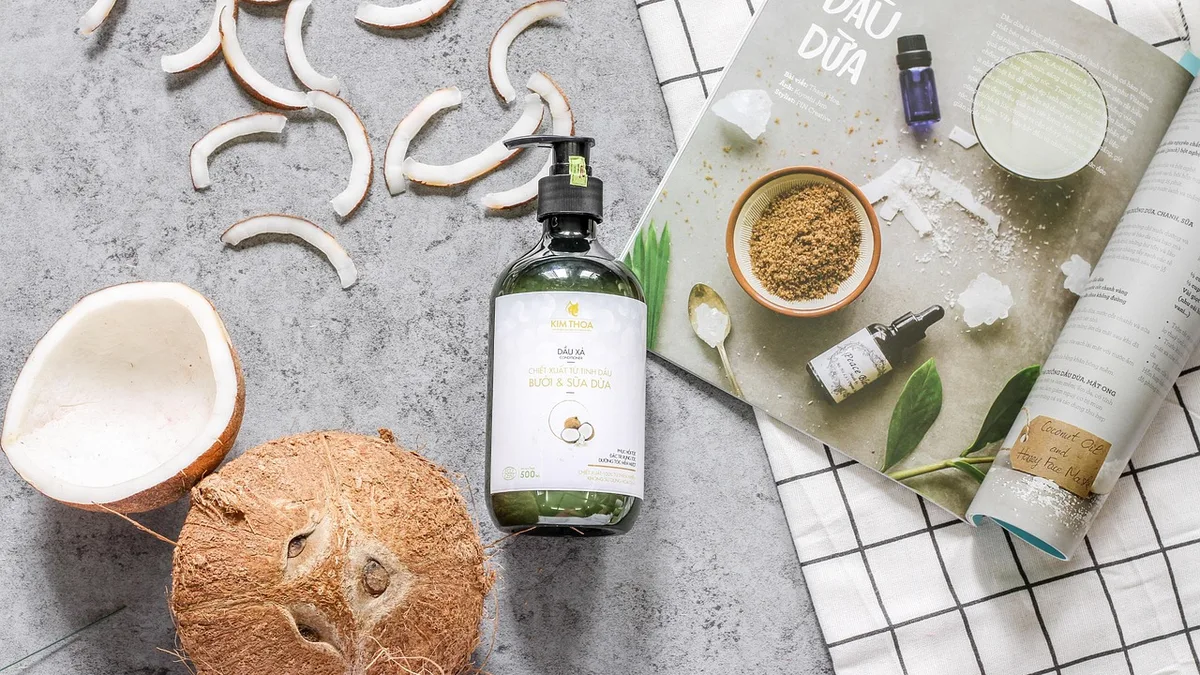
DIY Natural Shampoo Formulation: Benchmark Recipes, Preservation & PIF Compliance for Selling
Formulating your own shampoo through Do It Yourself (DIY) cosmetic methods is an empowering journey that gives complete control over every ingredient in contact with your hair. Eliminating synthetic sulfates, silicones, and controversial preservatives in favor of botanical cleansers and plant butters restores natural vitality to hair. However, if you develop DIY shampoo recipes with the goal of selling finished products or DIY cosmetic kits to consumers, you must fully comply with Regolamento (CE) N. 1223/2009. Here is your definitive regulatory and formulation guide.
💡 Commercializing DIY-style shampoos or home formulation kits? Ensure complete regulatory compliance for your products and ingredient kits. Estimate your compliance budget in 2 minutes with our configurator.
Two Benchmark Formulations for Natural DIY Shampoo
Here are two proven, professional-grade recipes-one liquid and one solid-renowned for balancing exceptional cleansing performance with gentle scalp tolerance:
Recipe 1: Ultra-Mild Liquid Botanical Shampoo (200 ml Batch)
- 120 ml Deionized water or organic rosemary hydrosol (INCI: Rosmarinus Officinalis Flower/Leaf/Stem Water).
- 60 ml Coco Glucoside (INCI: Coco-Glucoside)-mild plant-derived non-ionic surfactant.
- 10 ml Virgin castor seed oil (INCI: Ricinus Communis Seed Oil)-nourishes keratin and conditions lengths.
- 5 ml Vegetable glycerin (INCI: Glycerin)-natural humectant.
- 2 g Clear xanthan gum (INCI: Xanthan Gum)-natural polysaccharide gelling agent.
- 19 drops Cosgard preservative (INCI: Benzyl Alcohol, Dehydroacetic Acid)-Cosmos-approved broad-spectrum antimicrobial system.
- Citric acid solution to adjust pH to 5.0.
Manufacturing Method: Premix xanthan gum into vegetable glycerin in a sanitized beaker to disperse the gum particles. Slowly add warm water or hydrosol while whisking steadily to hydrate the polymer into a smooth, lump-free gel. Gently fold in Coco Glucoside at low shear to prevent excessive foam generation. Add castor oil and Cosgard, then adjust pH to 5.0 with 20% citric acid solution.
Recipe 2: Nourishing Solid Shampoo Bar (80 g Batch)
- 45 g Sodium Cocoyl Isethionate (SCI)-gentle solid anionic syndet noodle or powder.
- 10 g Deionized water or chamomile hydrosol.
- 15 g Raw cocoa seed butter (INCI: Theobroma Cacao Seed Butter).
- 10 g Shikakai fruit powder (INCI: Acacia Concinna Fruit Powder) or white kaolin clay.
Manufacturing Method: Combine SCI, water, and cocoa butter in a water bath (bain-marie) at low heat, gently mashing with a pestle until a uniform paste forms. Remove from heat, blend in the shikakai or clay powder thoroughly, press into silicone molds, and cool in a refrigerator for 2 hours before unmolding.
Securing commercial approval for either formulation requires compiling a comprehensive PIF cosmetici. For specific compliance standards in the hair care sector, consult our guide on the hair care PIF.
🔬 Insights from our Valutatore della Sicurezza Cosmetica
"If you sell DIY formulation kits (containing pre-measured cosmetic ingredients and an empty packaging vessel for the consumer to mix at home), regulatory classification differs from finished cosmetics, but raw material compliance (REACH SDS, ingredient purity) remains mandatory. However, if you manufacture and bottle the shampoo yourself based on your DIY recipe, the product is 100% subject to standard European cosmetic legislation. A full ISO 11930 challenge test (ISO 11930) on the final aqueous formula is mandatory to validate antimicrobial preservation."
Mandatory Compliance Milestones to Legally Sell Your DIY Shampoo
Prior to offering your DIY-inspired shampoos for commercial sale in France or across the EU, complete the following statutory requirements:
- Accelerated Stability and Packaging Compatibility Testing: 8 to 12 weeks of stability incubator monitoring at 40°C in final packaging to confirm absence of syneresis or phase breakdown.
- Microbiological Challenge Testing (ISO 11930): Mandatory 28-day laboratory preservation efficacy assay for water-containing formulas.
- Cosmetic Product Safety Report (CPSR (Cosmetic Product Safety Report)): Toxicological risk assessment and formal sign-off on Part B by our qualified valutatore della sicurezza, including fragrance allergen analysis.
- European Notifica CPNP: Mandatory product registration on the EU portal before placing goods on the market.
Our team delivers turnkey regulatory solutions tailored to indie brands. Discover our transparent pricing in our dedicated PIF services guide.
⚠️ 3 Regulatory Hazards in DIY Cosmetic Commercialization
- Omitting heavy metal analysis for raw plant powders: Sourcing botanical powders (such as uncertified shikakai or rhassoul) without rigorous Certificates of Analysis (CoA) demonstrating acceptable limits for lead, arsenic, and microbial bioburden blocks CPSR (Cosmetic Product Safety Report) validation.
- Instability in natural polysaccharide gels: If xanthan or starch networks thin out or liquefy during 40°C stability testing, the formula is deemed unstable and cannot be cleared for commercial sale.
- Misleading medicinal hair-loss claims: Marketing your DIY shampoo as a cure for alopecia or scalp dermatitis without rigorous clinical trial substantiation violates EU claims regulation (Regulation 655/2013). Use compliant cosmetic claims (e.g., "strengthens hair fiber", "cleanses gently").
Connecting Your Product Line: Semantic Regulatory Architecture
If your cosmetics line includes complementary formulations, explore our linked technical guides:
- For solid zero-waste cleanser bars, read our guide on solid shampoo regulation.
- For companion conditioning rinses, check our guide on hair conditioner regulation.
- For beard balms and styling waxes, review our guide on beard wax regulation.
Frequently Asked Questions About DIY Shampoo Commercialization
- Is Sodium Cocoyl Isethionate (SCI) permitted in certified organic cosmetics?
- SCI is a plant-derived solid surfactant widely prized for its mildness in solid shampoos. However, because its manufacturing involves an ethoxylation step, organic standards such as Cosmos Organic restrict or disallow its use. Organic brands typically substitute SCI with Sodium Cocoyl Glutamate, Sodium Coco-Sulfate, or saponified natural oils.
- Is container compatibility testing required for refillable bottles?
- Yes. Handcrafted brands frequently adopt refillable amber glass or rPET dispensers. During the accelerated stability study (8 to 12 weeks at 40°C), the laboratory checks that surfactants and essential oils do not degrade container plastics, pump seals, or cause label delamination.
- Can I legally formulate and manufacture commercial shampoo in a home kitchen?
- No. European legislation strictly dictates that all cosmetics placed on the market must be manufactured in premises compliant with ISO 22716 Buone Pratiche di Fabbricazione (GMP (ISO 22716)) (GMP (ISO 22716)). Domestic kitchens cannot provide the documented sanitization, batch traceability, and environmental controls required by law.
Configurez votre projet en direct
Calculez le tarif de votre DIP Cosmétique
Définissez votre profil, votre type de formule et vos besoins en tests de laboratoire pour obtenir une estimation instantanée et transparente.