Cosmetic GMP (ISO 22716): Complete Guide to Buone Pratiche di Fabbricazione (GMP (ISO 22716)) (ISO 22716)
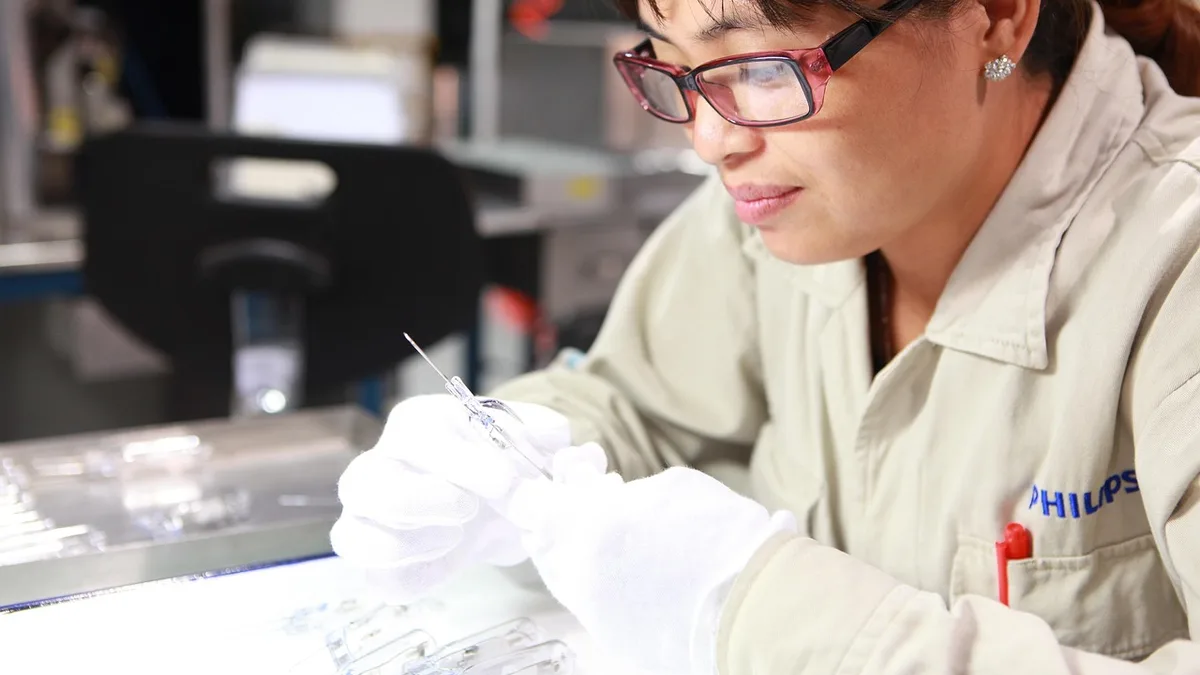
In the cosmetics industry, finished product quality and toxicological safety are inseparable from manufacturing hygiene, environmental cleanliness, and documented process rigor. Even the most carefully designed cosmetic formula can turn dangerous if contaminated by pathogens during bulk preparation or packaged in unwashed containers. To ensure consistent consumer safety across the European Union, Article 8 of Regolamento (CE) N. 1223/2009 establishes compliance with Buone Pratiche di Fabbricazione (GMP (ISO 22716)) (GMP (ISO 22716)) as a strict, mandatory legal requirement for all cosmetic manufacturers. The harmonized reference standard across Europe is ISO 22716. Whether you manage an artisanal laboratory or an industrial facility, discover our comprehensive compliance guide to ISO 22716.
💡 Setting up a compliant cosmetic production workshop or preparing your GMP (ISO 22716) declaration? Discover the requirements of ISO 22716. Estimate your compliance costs in 2 minutes with our configurator.
Why Are Buone Pratiche di Fabbricazione (GMP (ISO 22716)) a Strict Legal Requirement?
Article 8 of Regolamento (CE) N. 1223/2009 states unequivocally that the manufacture of cosmetic products must comply with Buone Pratiche di Fabbricazione (GMP (ISO 22716)). Presumption of compliance is conferred when production follows the harmonized standard EN ISO 22716:2007. This legal mandate ensures:
- Prevention of microbiological and chemical contamination: Controlling air quality, water purity, operator hygiene, and equipment sanitization to prevent accidental adulteration.
- Total batch traceability: Being capable of identifying within hours every raw material batch number, primary container batch, and customer delivery record in the event of a safety recall.
- Mandatory inclusion in the PIF: Under Article 11 of the EU Cosmetics Regulation, the Product Information File (PIF) must contain an official GMP (ISO 22716) declaration signed by the Persona Responsabile or contract manufacturer.
To understand the broader regulatory architecture of the technical dossier, consult our reference guide on the PIF cosmetici and discover our tailored PIF services.
🔬 Valutatore della Sicurezza Cosmetica Insights
"Implementing ISO 22716 Buone Pratiche di Fabbricazione (GMP (ISO 22716)) is proportionate to the size and complexity of the manufacturing operation, but the fundamental spirit of the standard applies universally. An artisanal soap maker or skincare formulator working in a dedicated laboratory room is not expected to build pharmaceutical cleanrooms. However, they must rigorously enforce non-negotiable fundamentals: non-porous washable surfaces, pest control, calibrated scales, documented cleaning logs, batch manufacturing records, and retention samples for every batch."
The 17 Chapters of ISO 22716: What You Need to Know
The ISO 22716 standard structures quality assurance across 17 structured chapters:
- Scope: Guidelines for production, control, storage, and shipment of cosmetic products.
- Personnel: Training, hygiene, protective apparel, and defined organizational responsibilities.
- Premises: Clear zoning (clean vs dirty areas), washable surfaces, pest control, and proper lighting and ventilation.
- Equipment: Hygienic design, calibration of weighing scales, and documented maintenance and sanitization.
- Raw materials and packaging: Receipt inspection, physical quarantine, supplier documentation (SDS, CoA), and labeling.
- Production: Standard Operating Procedures (SOPs), in-process checks, and complete batch manufacturing records.
- Finished products: Release criteria, microbiological release specifications, and storage management.
- Quality control laboratory: Test methods, sampling plans, and specification compliance.
- Treatment of product that is out of specification: Investigation of deviations and authorized rework procedures.
- Waste: Controlled disposal of manufacturing effluents and rejected materials.
- Subcontracting: Written quality agreements defining GMP (ISO 22716) responsibilities between brand and contract manufacturer.
- Deviations: Root cause analysis and Corrective and Preventive Actions (CAPA).
- Complaints and recalls: Rapid market retrieval procedures and adverse health event investigations.
- Change control: Managing formulation, equipment, or supplier modifications.
- Internal audit: Periodic self-audits to verify ongoing GMP (ISO 22716) compliance.
- Documentation: Establishing, dating, and archiving standard operating procedures and batch sheets.
⚠️ 3 Common GMP (ISO 22716) Errors That Invalidate Your Production Process
- Missing batch manufacturing records: Producing cosmetic batches without real-time batch sheets recording weighed quantities, lot numbers, and operator signatures violates ISO 22716 Section 6.
- Uncalibrated analytical scales: Operating precision scales without periodic calibration checks using certified reference weights compromises active dosage accuracy.
- Lack of retention samples: Failing to retain finished product samples from each batch (stored at company premises for the duration of shelf life) prevents verifying product integrity in the event of customer complaints.
Transitioning from Handcrafted DIY to Compliant GMP (ISO 22716) Manufacturing
To elevate your manufacturing workshop to full European compliance, review our step-by-step guides:
- Discover our practical guide on how to manufacture cosmetics legally.
- Learn the business roadmap with our guide on how to launch a cosmetic brand in the EU.
- Review essential FAQs with 24 PIF cosmetici questions answered.
Frequently Asked Questions About Cosmetic GMP (ISO 22716) (ISO 22716)
- Is third-party ISO 22716 certification mandatory to sell cosmetics?
- No. European cosmetic legislation does not mandate official third-party certification by an accredited registrar (such as Afnor, SGS, or Bureau Veritas). However, strict internal compliance with ISO 22716 principles is mandatory. The Persona Responsabile signs an official GMP (ISO 22716) compliance declaration included in Section 1 of the PIF.
- What documents must be kept in the production workshop for inspectors?
- In the event of an inspection by national surveillance authorities (such as DGCCRF or ANSM in France), the workshop must present the site master plan, standard cleaning and sanitization SOPs, scale calibration certificates, pest control contracts, raw material SDS and CoA files, completed batch manufacturing records, and retention samples.
- How long must batch manufacturing records be archived?
- Batch records and raw material traceability documentation must be archived for at least the entire declared shelf life of the cosmetic product, plus an additional margin (typically 3 to 5 years from the manufacturing date), to support any post-market vigilance investigations.
Configurez votre projet en direct
Calculez le tarif de votre DIP Cosmétique
Définissez votre profil, votre type de formule et vos besoins en tests de laboratoire pour obtenir une estimation instantanée et transparente.