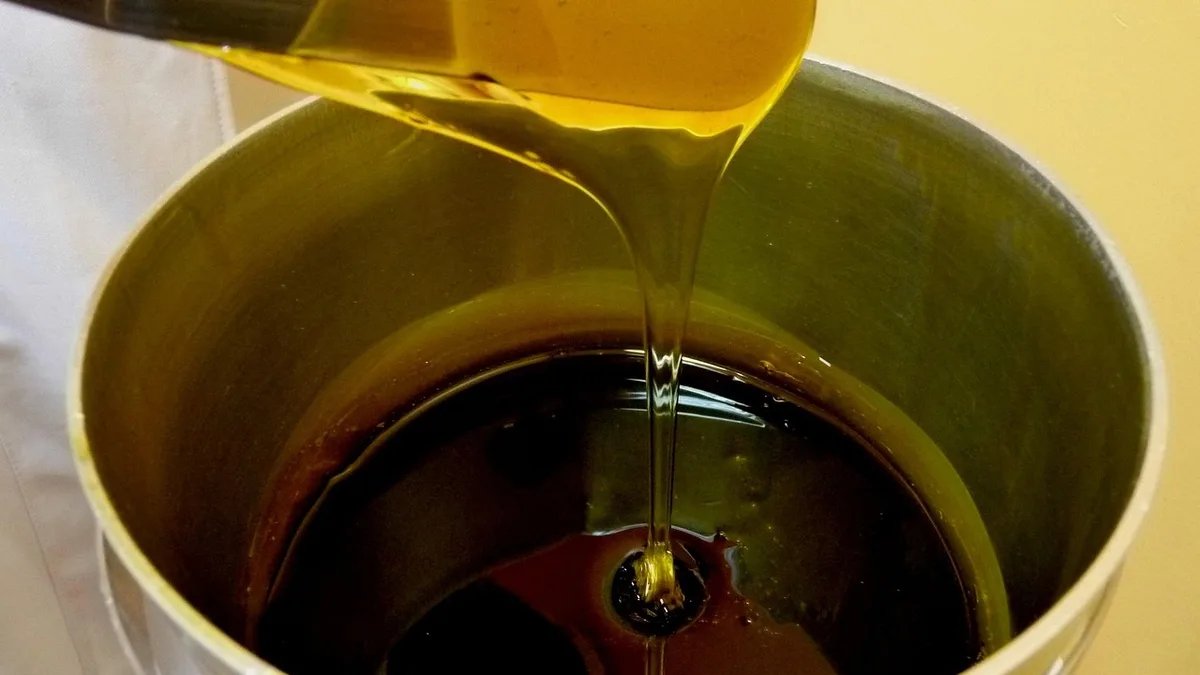
Hair Removal PIF: European Regulatory Requirements for Marketing Waxes and Depilatory Creams
Epilation and depilation encompass a broad spectrum of cosmetic products, from hot and cold resin-based waxes to alkaline chemical depilatory creams formulated with thioglycolates, alongside soothing post-depilatory and hair-growth inhibiting lotions. Due to their specific mechanisms of action (mechanical hair plucking or chemical keratin breakdown) and repeated application onto sensitized or intimate anatomical areas (bikini line, underarms, face), these cosmetics are subject to rigorous safety requirements in Europe. To commercialize them legally, you must compile a Product Information File (PIF) (PIF) compliant with Regolamento (CE) N. 1223/2009. Here is our regulatory guide.
💡 Commercializing a hair removal wax, depilatory cream, or post-waxing lotion? Ensure full regulatory compliance for your hair removal range. Estimate your costs in 2 minutes with our configurator.
Galenic Diversity in Hair Removal Products and Toxicological Requirements
Formulators of epilation and depilation products face vastly different toxicological risk profiles depending on galenic architecture, directly impacting the Cosmetic Product Safety Report (CPSR (Cosmetic Product Safety Report)) within the PIF:
- Resin-based depilatory waxes (rosin derivatives): hot or cold peelable strip waxes. The primary toxicological risk is dermal allergic sensitization linked to rosin derivatives (INCI: Colophonium or Glyceryl Rosinate). The Valutatore della Sicurezza verifies that the resin is extensively refined and hydrogenated to remove highly allergenic abietic acid peroxides, requiring supporting clinical patch test evidence.
- Chemical depilatory creams (thioglycolate-based): highly alkaline formulations (pH 12.0 to 12.5) that chemically dissolve keratin hair bonds. Concentrations are strictly restricted under Annex III of the Cosmetic Regulation (maximum 5.0% free thioglycolic acid for body products, and 2.0% for facial depilatories).
- Sugar waxes (natural sugaring pastes): simple traditional formulations of sucrose, water, and citric acid. These natural caramelized pastes present an exceptionally low toxicological risk profile and comply readily with organic certifications.
Regulatory validation of these formulations requires compiling a comprehensive PIF cosmetici. To understand the overarching European regulatory requirements for color cosmetics and shaving preparations, consult our guide on makeup cosmetic regulation.
🔬 Insights from our Valutatore della Sicurezza Cosmetica
"Mechanical hair plucking during waxing or chemical keratin destruction during cream depilation aggressively disrupts the epidermal barrier and dilates follicular openings, significantly increasing transcutaneous permeability to cosmetic actives and preservatives. When drafting the CPSR (Cosmetic Product Safety Report), the Valutatore della Sicurezza calculates Margin of Safety (MoS) values with enhanced conservative safety factors for any formula applied to compromised skin. Moreover, clinical human patch testing under dermatologist supervision is an indispensable requirement to demonstrate product safety."
Steps for Regulatory Compliance of Your Hair Removal Range
To legally sell your hair removal cosmetics in France, Switzerland, or across the EU, you must complete the following stages:
- Stability and container-content compatibility testing: accelerated stability testing at 40°C for 8 to 12 weeks to confirm that viscosity remains stable (waxes must not liquefy, creams must not exhibit phase separation) in their commercial plastic tubs, tubes, or cartridges.
- Microbiological challenge testing (ISO 11930): mandatory for all aqueous formulas (depilatory creams, post-epilatory soothing milks). Anhydrous resin waxes are exempt under ISO 29621.
- Cosmetic Product Safety Report (CPSR (Cosmetic Product Safety Report)): drafting and sign-off of Parts A and B by our qualified Valutatore della Sicurezza. Fragrance allergens and dermal tolerance assay results undergo strict scrutiny.
- CPNP notification: mandatory registration on the European Cosmetic Product Notification Portal prior to commercial distribution.
Our regulatory team provides turnkey support for your cosmetic projects. Review our service tiers and pricing in our dedicated PIF services guide.
⚠️ 3 Frequent Regulatory Deficiencies in Hair Removal Cosmetics
- Using unrefined colophony in waxes: incorporating crude, unhydrogenated pine resin causes severe allergic contact dermatitis and will result in outright rejection of the CPSR (Cosmetic Product Safety Report) by the Valutatore della Sicurezza.
- Omitting mandatory statutory labeling warnings: thioglycolate depilatory creams must prominently display mandatory statutory warnings ("Contains salts of thioglycolic acid", "Follow instructions for use", "Keep out of reach of children", "Avoid contact with eyes") under Annex III.
- Unsubstantiated permanent hair reduction claims: claiming that a post-epilatory lotion "permanently halts hair regrowth" without validated clinical in vivo efficacy studies violates European claims regulation.

Cross-Regulatory Links with Related Personal Care Products
If you are formulating a broader hygiene or personal care collection, explore our related technical guides:
- For shaving and beard care formulations, consult our guide on shaving care PIF.
- For oral care and dental formulations, see our guide on toothpaste regulation and PIF.
- For eco-friendly solid oral cosmetics, read our guide on solid toothpaste regulation.
Frequently Asked Questions About Hair Removal PIF
- Is container-content compatibility testing required for cold wax strips?
- Yes. Cold wax strips consist of a flexible substrate (non-woven paper or transparent plastic film) coated with resin wax and protected by a release liner. Accelerated stability testing (8 to 12 weeks at 40°C) verifies that the wax adhesive does not migrate outside the strip margins, does not strike through the backing paper, and peels away smoothly without leaving gummy residues.
- Can I use fragrance in a certified organic depilatory wax?
- Yes, provided you choose Cosmos-approved natural fragrances. However, because freshly epilated skin is sensitized and vulnerable, formulating fragrance-free waxes or using low-allergen fragrance compositions is strongly recommended to reduce irritation risks and facilitate CPSR (Cosmetic Product Safety Report) validation.
- Why is pH monitoring a critical stability parameter for depilatory creams?
- The chemical depilatory action of thioglycolate salts requires a strongly alkaline environment (pH above 12). If the product's pH drifts downward during commercial shelf life due to packaging permeability or chemical instability, hair-dissolving performance collapses and the cosmetic becomes ineffective.

Configurez votre projet en direct
Calculez le tarif de votre DIP Cosmétique
Définissez votre profil, votre type de formule et vos besoins en tests de laboratoire pour obtenir une estimation instantanée et transparente.