Beard Care PIF: Regulation and Compliance for Beard and Grooming Products
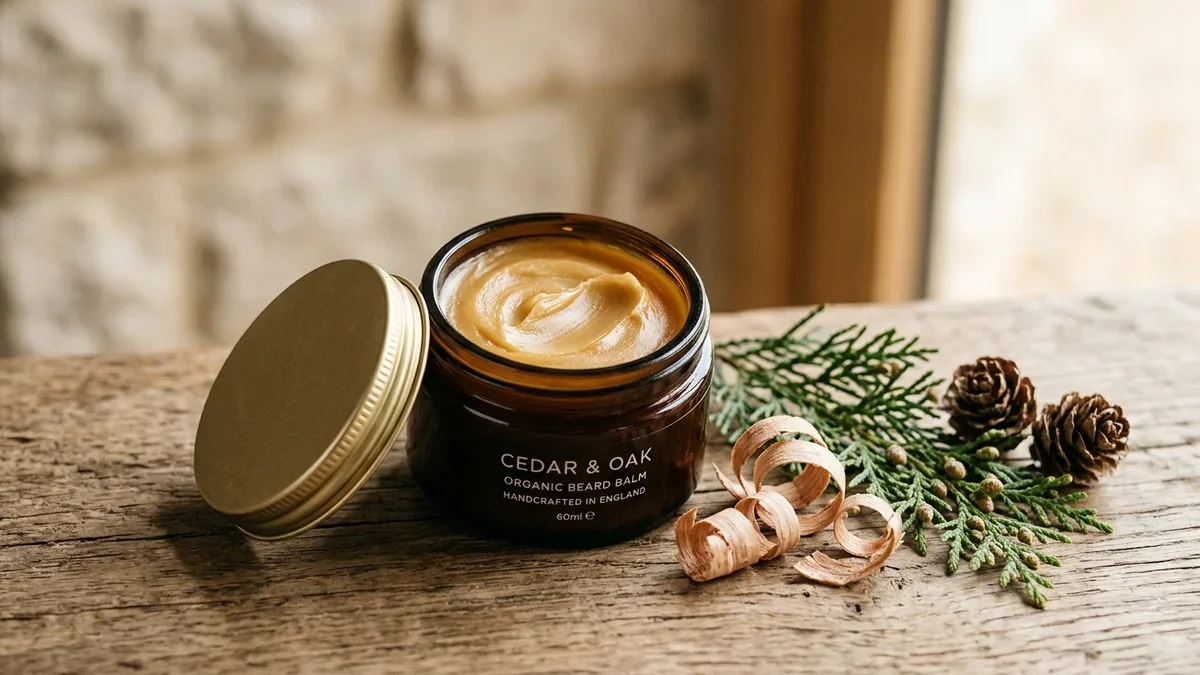
Beard grooming cosmetics (nourishing beard oils, conditioning styling balms, rich shaving foams, and mustache waxes) have achieved tremendous commercial success driven by the resurgence of traditional barbering and dedicated men's grooming routines. However, formulating and marketing these cosmetics in Europe involves strict legal obligations. Proximity to the oral cavity, lips, and nasal pathways requires rigorous toxicological safety evaluation. To commercialize your beard grooming range legally in Europe, compiling a Product Information File (PIF) (PIF) compliant with Regolamento (CE) N. 1223/2009 is mandatory. Here is our complete regulatory guide.
💡 Launching a line of beard oils or grooming balms? Ensure full regulatory compliance for your beard care products. Estimate your PIF costs in 2 minutes with our configurator.
Toxicological Valutazione della Sicurezza Specifics for Beard Grooming Products
During the drafting of the Cosmetic Product Safety Report (CPSR (Cosmetic Product Safety Report)) for beard grooming formulations, our qualified Valutatore della Sicurezza Cosmetica / Tossicologo focuses on several critical exposure parameters:
- Application zone (mucous membrane proximity): the beard covers the lower jaw, surrounding the oral cavity and situated directly beneath the nostrils. This causes potential incidental oral ingestion (especially from leave-on beard balms) and continuous inhalation of volatile fragrance molecules. Oral and inhalation toxicological profiles are rigorously evaluated.
- Transdermal systemic absorption: facial hair is coarse, and underlying skin frequently suffers from razor burn, micro-abrasions, or ingrown hair irritation. Systemic Exposure Dosage (SED) calculations conducted in the CPSR (Cosmetic Product Safety Report) account for this potentially compromised skin barrier.
- Fragrance compounds and essential oils: widely chosen to mask the natural odor of botanical seed oils (castor, argan) and provide woody or spicy masculine notes (cedarwood, sandalwood, bergamot). Fragrance allergens must strictly respect IFRA safety standards and European regulatory limits, requiring explicit declaration whenever exceeding 0.001% in leave-on products.
The beard care PIF is the central technical archive compiling all scientific data. To understand the overarching administrative framework applicable to hair and grooming cosmetics, consult our guide on the hair care and beard PIF and our reference page on the general PIF cosmetici.
🔬 Insights from our Valutatore della Sicurezza Cosmetica
"Beard oils and balms are anhydrous formulations without free water. Microbiologically, they are categorized as low-risk products under ISO 29621 and are exempt from preservative challenge testing, streamlining the compliance file. However, they frequently contain high percentages of polyunsaturated plant oils susceptible to oxidation (such as hemp, rosehip, or flaxseed oils) which can turn rancid when exposed to heat. Accelerated thermal stability testing at 40°C for 8 to 12 weeks is strictly mandatory to validate the PIF and establish a reliable Period After Opening (PAO) on your label."
Structure of the PIF for Beard Grooming Collections
To validate your beard care line, the regulatory archive held at your European business premises must include:
- Complete qualitative and quantitative formulation using standardized INCI nomenclature.
- Cosmetic Product Safety Report (CPSR (Cosmetic Product Safety Report) Parts A and B) drafted and formally signed by our qualified Valutatore della Sicurezza.
- Formal Buone Pratiche di Fabbricazione (GMP (ISO 22716)) declaration confirming manufacturing facility compliance with ISO 22716.
- Laboratory reports detailing physicochemical accelerated thermal stability at 40°C and packaging compatibility testing.
- Official CPNP notification receipt.
Our regulatory team provides turnkey support for your cosmetic projects. Review our service tiers and pricing in our dedicated PIF services guide.
⚠️ 3 Frequent Regulatory Deficiencies in Beard Grooming Cosmetics
- Exceeding 1.0% cedarwood essential oil concentration: beyond this threshold on facial leave-on areas, skin sensitization risks escalate significantly, preventing the Valutatore della Sicurezza from approving CPSR (Cosmetic Product Safety Report) Part B.
- Omitting fragrance allergen declarations on packaging: distributing beard oils with undeclared limonene, linalool, or eugenol above 0.001% constitutes a serious labeling infringement during market surveillance inspections.
- Making therapeutic claims regarding hair growth: advertising that a beard oil "miraculously stimulates dormant follicles" or "cures patchy beards" without clinical substantiation violates European Claims Regulation (EU) No 655/2013.
Cross-Regulatory Links with Related Grooming Cosmetics
If you are formulating complementary hair styling or grooming cosmetics, explore our related technical guides:
- For styling waxes and structural balms, consult our guide on hair and beard wax regulation.
- For mustache shaping waxes, see our guide on mustache wax regulation.
- For styling gels and fixatives, read our guide on hair gel regulation.
Frequently Asked Questions About Beard Care PIF
- Does an anhydrous beard balm require an ISO 11930 challenge test (ISO 11930)?
- No, provided the formula is strictly anhydrous (a waterless blend of beeswax, shea butter, and vegetable oils). Anhydrous cosmetics are classified as low microbiological risk under ISO 29621 and are exempt from preservative challenge testing. Accelerated physicochemical stability testing at 40°C is nonetheless mandatory to verify that the balm does not melt or exhibit phase separation.
- Can I sell custom-formulated beard oil in my barbershop?
- Yes, but you must satisfy the exact same European regulatory requirements as an industrial cosmetic brand. You must declare your compounding workshop as a cosmetic manufacturing establishment with competent health authorities (such as the ANSM in France), have your complete PIF compiled and signed by our qualified Valutatore della Sicurezza, and register every SKU on the European portale CPNP prior to offering bottles for retail sale.
- What is the regulatory difference between a beard oil and a beard serum?
- The distinction is primarily galenic and formulation-based. A traditional beard oil is 100% lipidic (pure botanical oils like castor, jojoba, and argan). A beard serum often incorporates an aqueous phase (such as aloe vera juice, panthenol, or hyaluronic acid) emulsified with lipids. The moment a formula contains water, an ISO 11930 challenge test (ISO 11930) becomes legally mandatory, increasing laboratory testing timelines and budget requirements.
Configurez votre projet en direct
Calculez le tarif de votre DIP Cosmétique
Définissez votre profil, votre type de formule et vos besoins en tests de laboratoire pour obtenir une estimation instantanée et transparente.