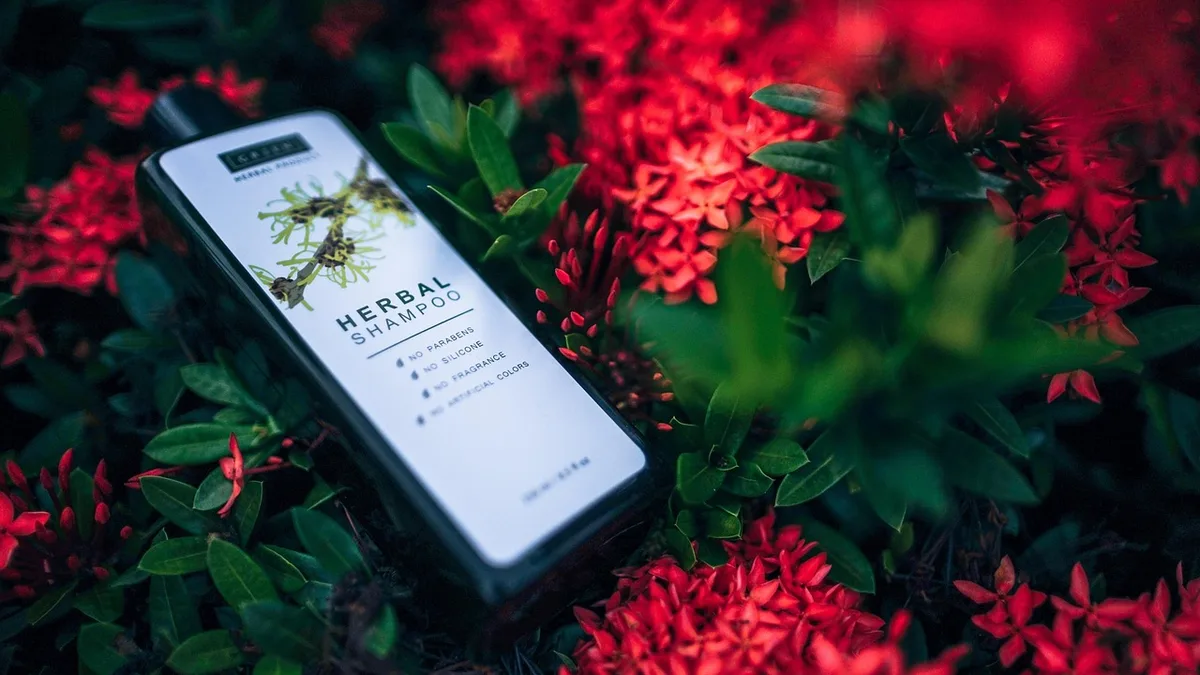
Handmade Natural Shampoo: Formulation Blueprint and Regulatory Roadmap to Market
Handcrafted natural shampoos are in surging demand, propelled by consumer rejection of aggressive sulfates, occlusive silicones, and synthetic preservatives found in mass-market hair cleansers. Formulated with ultra-gentle coconut-derived glucosides, soothing aromatic hydrosols, and cold-pressed botanical oils, natural shampoos offer unmatched purity and efficacy. However, transitioning a handcrafted shampoo recipe into a legally compliant commercial brand in Europe requires strict adherence to Regolamento (CE) N. 1223/2009. From stability testing to CPNP notification, here is your essential compliance guide.
💡 Launching a natural or artisanal hair care brand? Ensure bulletproof regulatory compliance for your formulas. Estimate your compliance fees in 2 minutes with our configurator.
Anatomy of an Effective Natural Handmade Shampoo Formula
A professional natural hair cleanser must effectively remove sebum and environmental impurities without stripping the lipid barrier of the scalp or drying out the hair fiber. A balanced formula typically combines:
- Plant-derived non-ionic and anionic surfactants: Coco Glucoside or Lauryl Glucoside for gentle detergency. Sodium Cocoyl Glutamate represents an outstanding, biodegradable alternative that delivers exceptional cutaneous and ocular tolerance.
- Aromatic aqueous phase: Deionized water or organic botanical hydrosols (rosemary, chamomile, lavender) to soothe and balance the scalp microflora.
- Nourishing conditioning oils: Organic castor seed oil (INCI: Ricinus Communis Seed Oil) to fortify hair keratin and stimulate resilience, or cold-pressed jojoba oil to rebalance sebum production.
- Natural rheology modifiers: Clear pharmaceutical-grade xanthan gum (INCI: Xanthan Gum) or sclerotium gum to provide pleasing slip, spreadability, and gel viscosity.
Formal regulatory clearance requires compiling a comprehensive PIF cosmetici. For a complete overview of the regulatory standards governing hair care, read our guide on the hair care PIF.
🔬 Insights from our Valutatore della Sicurezza Cosmetica
"Liquid handmade shampoos contain large percentages of free water, often exceeding 75% to 85% of total formula weight. Because warm bathroom environments promote microbial proliferation, water-based hair cleansers are highly vulnerable to bacterial and fungal contamination. Successfully completing a 28-day microbiological challenge test (ISO 11930) under ISO 11930 is strictly mandatory before market launch. This test proves that your natural preservative system (such as sodium benzoate/potassium sorbate or benzyl alcohol/dehydroacetic acid) remains fully protective throughout the product shelf life."
Step-by-Step Regulatory Compliance Roadmap for Handmade Shampoo
To legally commercialize your liquid hair care creations in Europe and the UK, complete these mandatory milestones:
- Accelerated Stability and Packaging Compatibility Testing: 8 to 12 weeks of incubation at 40°C in the final commercial bottle to verify emulsion stability, absence of phase creaming, and pH stability within the target range (pH 4.5 to 5.5).
- Microbiological Challenge Testing (ISO 11930): Laboratory inoculation test demonstrating effective antimicrobial preservation against bacteria, yeasts, and molds.
- Cosmetic Product Safety Report (CPSR (Cosmetic Product Safety Report)): Toxicological analysis and formal sign-off on Part B by our qualified valutatore della sicurezza, including strict allergen quantification and Systemic Exposure Dose (SED) modeling.
- CPNP Registration: Mandatory notification on the European Commission portal prior to placing products on the market.
We offer complete, end-to-end regulatory support. Explore our transparent pricing and package options in our detailed PIF services overview.
⚠️ 3 Critical Regulatory Risks in Natural Shampoo Brands
- Exceeding safe essential oil concentrations: Essential oils such as tea tree, peppermint, or rosemary must remain strictly within dermal and ocular exposure limits. Overdosing fragrant botanicals triggers valutatore della sicurezza rejection during Part B sign-off.
- Skipping mandatory challenge testing: Selling an aqueous cosmetic without documented challenge testing is a severe violation of European cosmetic law, carrying civil penalties and immediate market withdrawal orders during regulatory inspections.
- Making illicit medical dandruff claims: Claiming that your shampoo "eliminates psoriasis" or "cures medical dandruff" reclassifies the product as an unapproved medicinal product. Maintain compliant cosmetic claims (e.g., "purifies the scalp", "helps reduce the appearance of visible flakes").
Semantic Regulatory Architecture Across Your Hair Care Portfolio
If your product catalog includes complementary styling, treatment, or alternative shampoo formats, explore our relevant guides:
- For artisan DIY recipes and batching methods, read our guide on natural shampoo formulation and PIF.
- For zero-waste solid cleanser bars, check our guide on solid shampoo regulation.
- For post-wash conditioning emulsions, consult our guide on hair conditioner regulation.
Frequently Asked Questions About Natural Handmade Shampoo
- Is packaging compatibility testing required for refillable glass or plastic bottles?
- Yes. Eco-conscious hair brands frequently offer reusable glass pump dispensers or recycled plastic (rPET) bottles. During the 8-to-12-week accelerated stability study, the laboratory confirms that active botanical oils do not erode the dispensing pump seals and that bottle materials do not leach into the liquid shampoo.
- Can I legally produce and sell natural shampoo made in a domestic home kitchen?
- No. European cosmetic regulations require that every cosmetic product offered for sale must be manufactured in a production facility operating in strict accordance with Buone Pratiche di Fabbricazione (GMP (ISO 22716)) (ISO 22716 GMP (ISO 22716)). This necessitates dedicated clean rooms, strict air and water hygiene controls, calibrated weighing equipment, and lot traceability records. Domestic kitchens cannot satisfy these regulatory standards.
- How should the pH of a liquid shampoo be controlled and documented?
- The pH of liquid shampoo is measured directly using a calibrated laboratory pH meter. To preserve the acidic mantle of the scalp and keep the hair cuticle closed and shiny, the formula must maintain a stable pH between 4.5 and 5.5. Citric acid or lactic acid is added during manufacturing to buffer the batch precisely before filling.
Configurez votre projet en direct
Calculez le tarif de votre DIP Cosmétique
Définissez votre profil, votre type de formule et vos besoins en tests de laboratoire pour obtenir une estimation instantanée et transparente.