Who Manufactures Cosmetics? Contract Manufacturers, Subcontractors & Brand Owner Legal Obligations
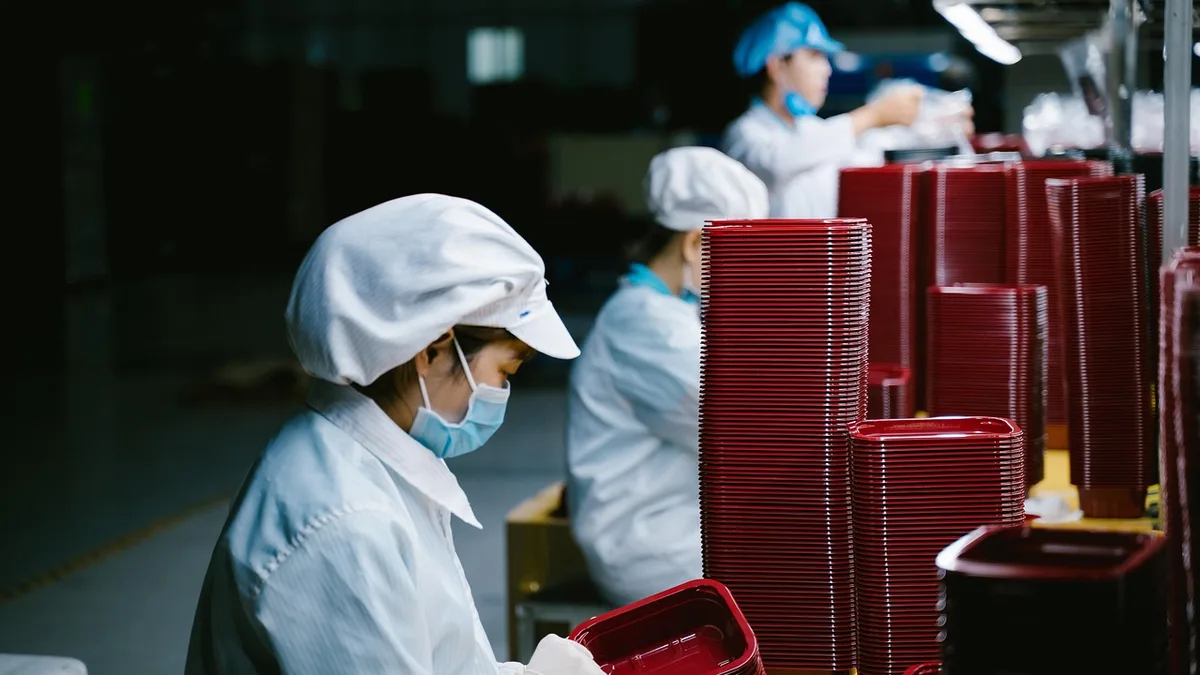
In the cosmetic industry, brand creation is very frequently separated from physical production. Numerous beauty brands-from artisan soapmakers to international groups-entrust the manufacture of their bulk formulas to specialized laboratories known as contract manufacturers (or toll manufacturers). However, delegating manufacturing operations does not delegate regulatory liability. Under European law, the cosmetic brand owner remains the Persona Responsabile and must maintain legal custody of the Product Information File (PIF) (PIF / DIP). Here is your practical guide to understanding responsibilities across the manufacturing chain.
💡 Subcontracting cosmetic production to a third-party laboratory? Ensure absolute regulatory compliance for your brand. Estimate your PIF compliance budget in 2 minutes.
Key Stakeholders in the Cosmetic Production Ecosystem
To structure your cosmetic business effectively, you must understand the distinct operational and legal functions within the supply chain:
- The Brand Owner (The Contracting Principal): The commercial company that owns the trademark, directs creative concepts, defines label claims, and sells the finished product. In the vast majority of scenarios, the brand owner is designated as the European Persona Responsabile (RP). As such, the brand owner must hold legal custody of the full PIF cosmetici.
- The Contract Manufacturer (Contract Manufacturer / Toll Manufacturer): The industrial laboratory commissioned to formulate bulk batches (phase compounding, high-shear emulsification) and execute primary filling (bottles, jars, tubes) and secondary packaging (labeling, boxing). The contract manufacturer must be registered with competent health authorities and manufacture strictly under ISO 22716 Buone Pratiche di Fabbricazione (GMP (ISO 22716)) (GMP (ISO 22716)).
- The Formulation Chemist (R&D Laboratory): An independent formulation consultant or the in-house laboratory of the manufacturer tasked with engineering custom formulations. The resulting formulation IP may belong to the brand (custom R&D formulation) or remain the proprietary asset of the contract manufacturer (catalog white-label formula).
Our specialists provide comprehensive compliance packages for subcontracted beauty ranges. Review our transparent services in our dedicated PIF services guide.
🔬 Insights from our Valutatore della Sicurezza Cosmetica
"During market surveillance inspections by European authorities (such as the DGCCRF in France), regulatory inspectors do not contact your contract manufacturer: they demand to inspect the PIF directly at the address of the Persona Responsabile printed on the product packaging. If the PIF is missing, incomplete, or non-compliant, statutory fines and criminal citations are issued directly against the brand owner, not the contract manufacturer. This is why we strongly advise establishing a written Quality and Manufacturing Agreement that contractually obligates your manufacturer to supply all batch records and raw material documentation required for the PIF."
Statutory Obligations of the Brand Owner Toward Contract Manufacturers
European Cosmetic Regolamento (CE) N. 1223/2009 requires structuring the relationship between brand owners and contract manufacturers through several indispensable regulatory mechanisms:
- Batch Production Records (ISO 22716 GMP (ISO 22716)): For every commercial production batch, the manufacturer must provide a comprehensive batch record containing operator-signed weighing sheets, manufacturing logs, physicochemical release parameters (pH, viscosity, organoleptic checks), and microbiological release testing certificates.
- Buone Pratiche di Fabbricazione (GMP (ISO 22716)) Certification: The contract manufacturer must formally certify that their production site operates in strict compliance with ISO 22716 GMP (ISO 22716). This written declaration must be integrated into Part 1 of your PIF.
- Confidential Raw Material Safety Data Sharing: The manufacturer must provide your valutatore della sicurezza cosmetica-under a Non-Disclosure Agreement (NDA) if necessary-with full 16-section Safety Data Sheets (SDS), batch Certificates of Analysis (CoA), and IFRA fragrance certificates for all raw materials.
To plan your compliance budget based on your manufacturing setup, review our pricing breakdown in our PIF cosmetici pricing guide, and understand safety evaluation standards in our guide on cosmetic valutazione della sicurezza (CPSR (Cosmetic Product Safety Report)).
⚠️ 3 Dangerous Pitfalls in Subcontracted Cosmetic Production
- Not securing ownership or regulatory access to the quantitative formula: If your manufacturing agreement fails to guarantee access to the 100% quantitative formula (even under direct tossicologo NDA), you are locked to that supplier and cannot obtain an independent PIF.
- Failing to verify the manufacturer's national facility registration: In France, cosmetic production establishments must be officially declared to the ANSM. Always ensure your contract contract manufacturer maintains a current, active facility registration.
- Authorizing batch production prior to formal CPSR (Cosmetic Product Safety Report) signature: A contract manufacturer should never fill a commercial production batch before a qualified valutatore della sicurezza has signed Part B of the CPSR (Cosmetic Product Safety Report). Producing goods without a signed CPSR (Cosmetic Product Safety Report) constitutes an immediate regulatory offense.
The Persona Responsabile's Mandate in Managing Subcontracted Supply Chains
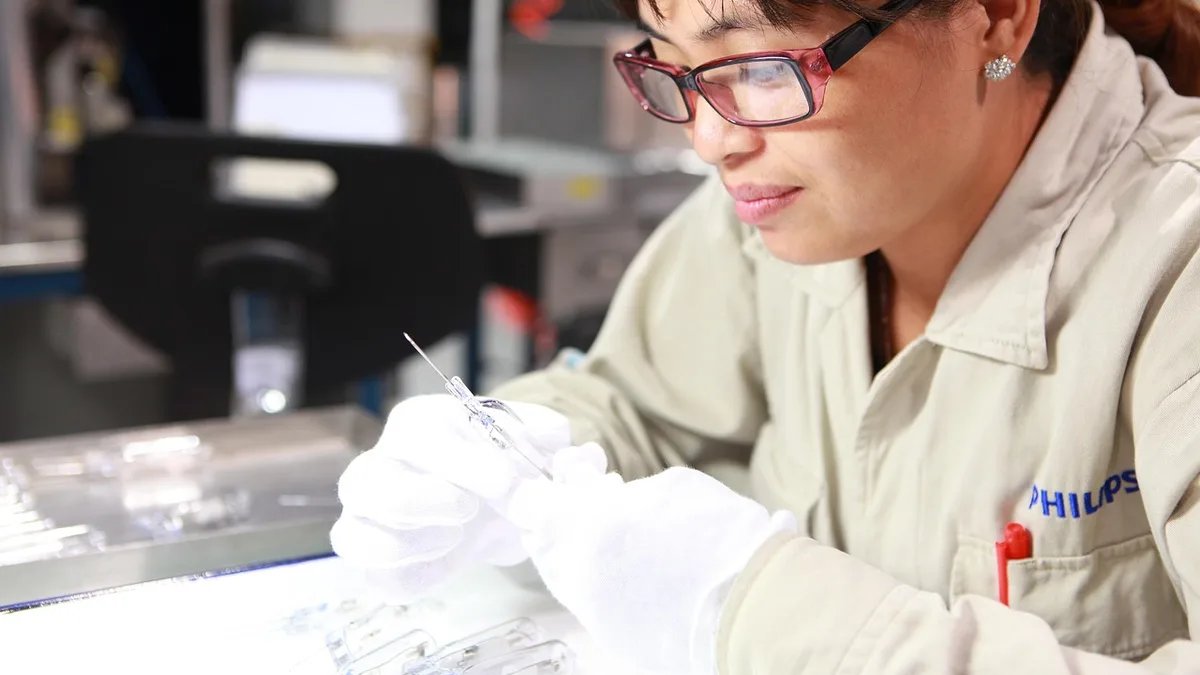
Because the contracting brand owner is typically designated as the Persona Responsabile, you hold sole responsibility for public health authorities, consumer cosmetovigilance, and ongoing safety. To understand how to establish this mandate or appoint an authorized representative, explore our guide on the cosmetic Persona Responsabile.
Frequently Asked Questions About Cosmetic Contract Manufacturing
- Can a contract manufacturer compile the PIF on my behalf?
- Some contract laboratories offer turnkey packages that include compiling the PIF. However, remember that even if the manufacturer compiles the dossier, the PIF is compiled in your brand's legal name, and your company remains the Persona Responsabile. You must ensure you receive a complete electronic copy of the dossier, because competent authorities will inspect your premises, not the factory's.
- Who is legally liable if a finished production batch suffers bacterial contamination?
- From a regulatory standpoint, the Persona Responsabile (your company) is the primary point of contact for health authorities and must execute product recalls. Legally and commercially, civil liabilities are apportioned according to your contract manufacturing agreement. If the formula was defective, liability lies with the brand. If contamination resulted from sanitization failure on the production line, the contract manufacturer is liable.
- How do you transfer production of an existing cosmetic to a new contract manufacturer?
- Transferring production requires holding the 100% quantitative INCI formula. The new manufacturer must execute pilot validation batches under ISO 22716 GMP (ISO 22716). You must then update your PIF: amending the manufacturing method description, archiving the new facility's GMP (ISO 22716) certificate, updating stability verification data, and modifying the CPNP notification if manufacturing locations changed.
Configurez votre projet en direct
Calculez le tarif de votre DIP Cosmétique
Définissez votre profil, votre type de formule et vos besoins en tests de laboratoire pour obtenir une estimation instantanée et transparente.