Natural Sunburn Remedies: High-Potency Botanical Actives & European Cosmetic Regulation
A sunburn is far more than temporary skin erythema: it represents acute first-degree cutaneous thermal radiation injury characterized by cellular epidermal damage and an intense inflammatory cascade. Natural post-solar remedies-such as cold-pressed aloe vera gel, unrefined shea butter, soothing bisabolol, and mineral-rich thermal spring waters-frequently outperform synthetic lotions laden with denatured alcohol and synthetic fragrances. However, if you plan to commercialize an after-sun product in Europe, regulatory standards are rigorous. Our valutatore della sicurezza cosmetica and regulatory experts explain why.
💡 Formulating a natural after-sun balm, cooling gel, or restorative mist? Estimate your complete PIF compliance budget in 2 minutes with our configurator.

The 5 Most Effective Natural Botanical Actives for Sunburned Skin
Extensive dermatological and phytotherapeutic research confirms the restorative efficacy of specific botanical actives in mitigating post-solar erythema. Here are the 5 natural ingredients with the strongest scientific substantiation:
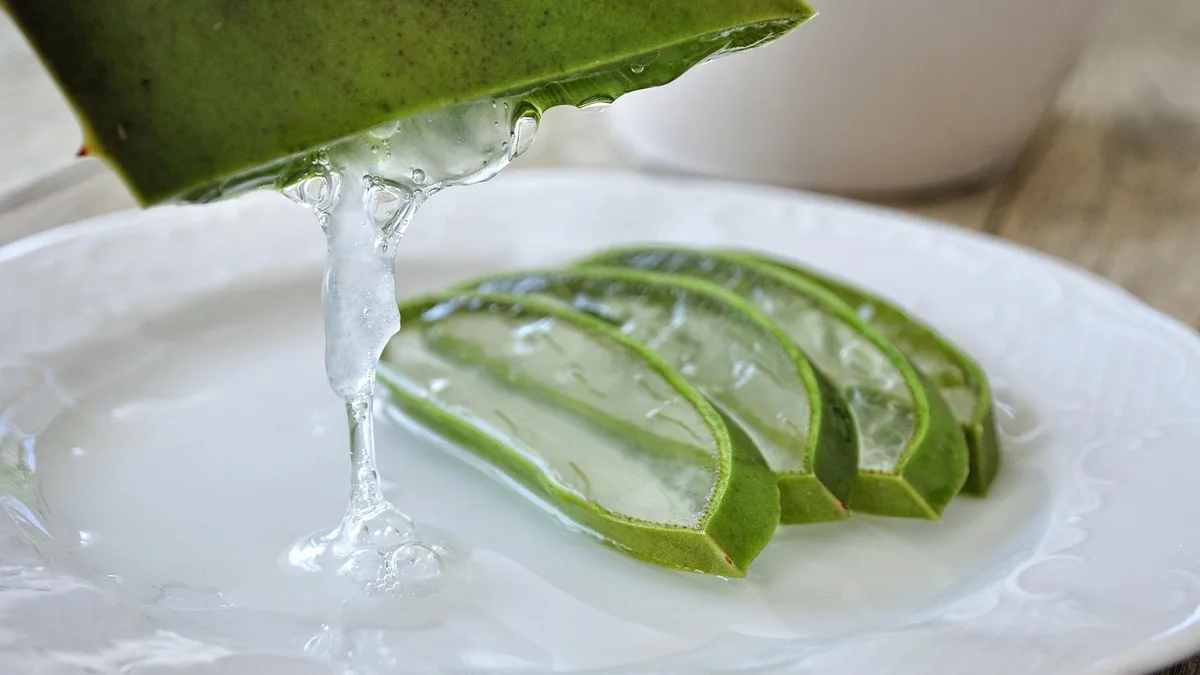
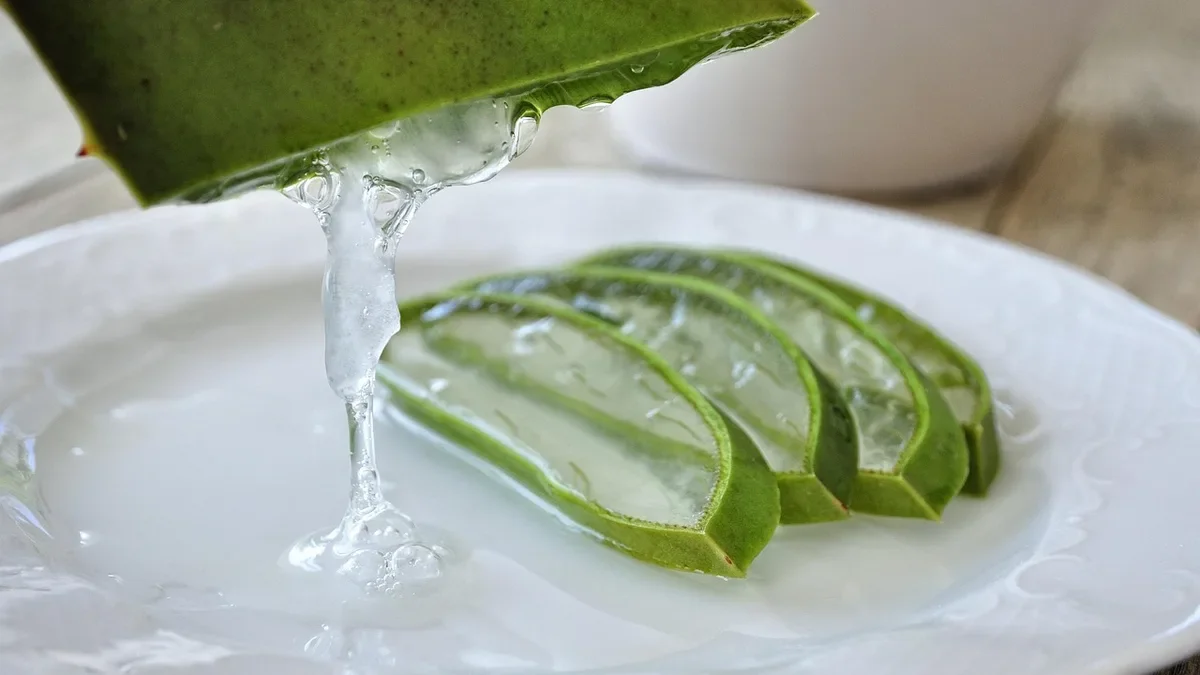
- Aloe vera inner leaf juice (INCI: Aloe Barbadensis Leaf Juice): The benchmark botanical in post-solar care. Its natural mucilage is rich in bioactive acemannan polysaccharides that exert documented anti-inflammatory, calming, and tissue-regenerative effects on UV-damaged skin. In commercial products, stabilized cosmetic-grade aloe juice with validated preservation is essential.
- Mineral-rich thermal spring waters: Naturally enriched with trace minerals (selenium, silica, bicarbonates) that deliver clinically documented free-radical scavenging and anti-irritant benefits. Excellent as the continuous aqueous phase in soothing post-sun face and body mists.
- Panthenol (Provitamin B5) (INCI: Panthenol): Precursor to coenzyme A, panthenol accelerates cutaneous re-epithelialization and reinforces the UV-compromised epidermal barrier. An indispensable active in clinical after-sun formulations.
- Unrefined shea butter (INCI: Butyrospermum Parkii Butter): Exceptionally rich in triterpene insaponifiables (lupeol, parkeol), unrefined shea butter calms dermal inflammation and deeply replenishes skin lipids depleted by sun, salt, and chlorine exposure.
- Alpha-Bisabolol (INCI: Bisabolol): Powerful sesquiterpene alcohol naturally extracted from German chamomile (Matricaria chamomilla). Proven to markedly diminish UV-induced erythema and accelerate tissue repair at concentrations as low as 0.1% to 0.5%.
🔬 Insights from our Valutatore della Sicurezza Cosmetica
"Two botanical ingredients widely popularized in DIY blogs are strictly contra-indicated in commercial after-sun formulations: St. John's Wort macerated oil (Hypericum perforatum) and phototoxic citrus oils. Despite its potent anti-inflammatory properties, St. John's Wort contains hypericin and furanocoumarins that are intensely phototoxic. Applying hypericum oil to UV-exposed skin that may be exposed to daylight can trigger severe blistering, photo-allergic dermatitis, and lasting hyperpigmentation. A certified valutatore della sicurezza will systematically reject such ingredients in after-sun cosmetics intended for sun-exposed skin."
After-Sun Care vs. Sunscreen: Two Distinct European Regulatory Categories
European cosmetic legislation draws a strict regulatory distinction based on the intended function of the product relative to solar exposure:
- Sunscreen products (containing UV filters): Regulated under Annex VI of Regolamento (CE) N. 1223/2009. Formulators can only select UV filters from this closed positive list within specified concentration caps. Any product claiming SPF must undergo in vivo SPF testing (ISO 24444) and in vitro UVA testing (ISO 24443). Our dedicated guide on sunscreen regulation in the EU explores these requirements in depth.
- After-sun cosmetics (without UV filters): Classified as standard cosmetic products, subject to the standard body care PIF. No SPF efficacy testing is required, but standard safety requirements apply: signed CPSR (Cosmetic Product Safety Report), ISO 11930 challenge testing for aqueous formulas, accurate INCI labeling, and CPNP notification.
Note: If an after-sun formula incorporates UV filters (for example, to market a "tan-prolonging protective lotion"), it automatically reclassifies into the sunscreen category, triggering mandatory SPF and UVA testing.
⚠️ 3 Dangerous Formulatory Pitfalls in Natural After-Sun Products
- Incorporating photosensitizing St. John's Wort oil: Hypericum furanocoumarins exacerbate photochemical damage and trigger severe post-inflammatory hyperpigmentation, presenting an immediate consumer health hazard.
- Confusing cosmetic "soothing" claims with medical "burn healing": Claiming that an after-sun cream "cures first-degree burns" or "treats solar lesions" reclassifies the cosmetic as an unapproved drug. Use compliant cosmetic claims ("soothes sun-exposed skin", "intensely hydrates and calms redness").
- Neglecting challenge testing for high-percentage aloe gels: Aloe vera represents a nutrient-rich culture medium for environmental molds and bacteria. Water-based aloe gels lacking robust ISO 11930 preservation validation pose severe bioburden risks.

Formulating a Compliant Commercial Natural After-Sun Gel
Here is a sample commercial formulation blueprint for a soothing after-sun aloe gel (subject to full PIF validation):
- Continuous aqueous phase: 65% Preserved organic aloe leaf juice (INCI: Aloe Barbadensis Leaf Juice) + 10% Soothing lavender flower water or thermal spring water.
- Natural rheology modifier: 0.8% Xanthan gum or sclerotium gum to impart a cooling, non-sticky gel texture.
- Targeted soothing actives: 3% Panthenol + 0.3% Alpha-Bisabolol + 2% Concentrated aloe extract.
- Hydration and lipid barrier replenishers: 5% Vegetable glycerin + 2% Emulsified cold-pressed shea butter.
- Cosmetic preservative system: Cosmos-compliant blend (such as Benzyl Alcohol, Dehydroacetic Acid, or Sodium Benzoate/Potassium Sorbate).
- pH Buffer: Citric acid solution to adjust finished batch pH to 5.0-5.5.
This body care routine can be supported by gentle exfoliants (see our guide on foot scrub regulation) and disciplined reapplication of high-protection sunscreen during subsequent daytime hours.
Frequently Asked Questions About Natural After-Sun Regulation
- Is apple cider vinegar recommended for commercial sunburn cosmetics?
- While home DIY blogs frequently promote apple cider vinegar to "neutralize" skin pH, raw fruit vinegar can cause stinging on sunburned skin. Furthermore, batch-to-batch acidity variations in crude vinegar complicate toxicological stability and CPSR (Cosmetic Product Safety Report) approval. We advise against incorporating unstandardized fruit vinegars in commercial skincare.
- Can an organic after-sun cosmetic claim that it "repairs sun-damaged skin"?
- Under European claims guidelines (Regulation 655/2013), claiming to "repair skin" is permissible only when defined as supporting epidermal barrier recovery, provided it is substantiated by objective instrumental tests (such as transepidermal water loss - TEWL measurements). It must never imply clinical wound healing of second-degree burns.
- Can an after-sun cosmetic be commercialized without laboratory SPF testing?
- Yes, provided the formula contains no UV filters listed in Annex VI of Regolamento (CE) N. 1223/2009 and makes zero SPF protection claims. A pure after-sun moisturizer is a standard cosmetic subject to regular PIF requirements. Mandatory SPF testing only applies to products claiming UV protection.
Configurez votre projet en direct
Calculez le tarif de votre DIP Cosmétique
Définissez votre profil, votre type de formule et vos besoins en tests de laboratoire pour obtenir une estimation instantanée et transparente.