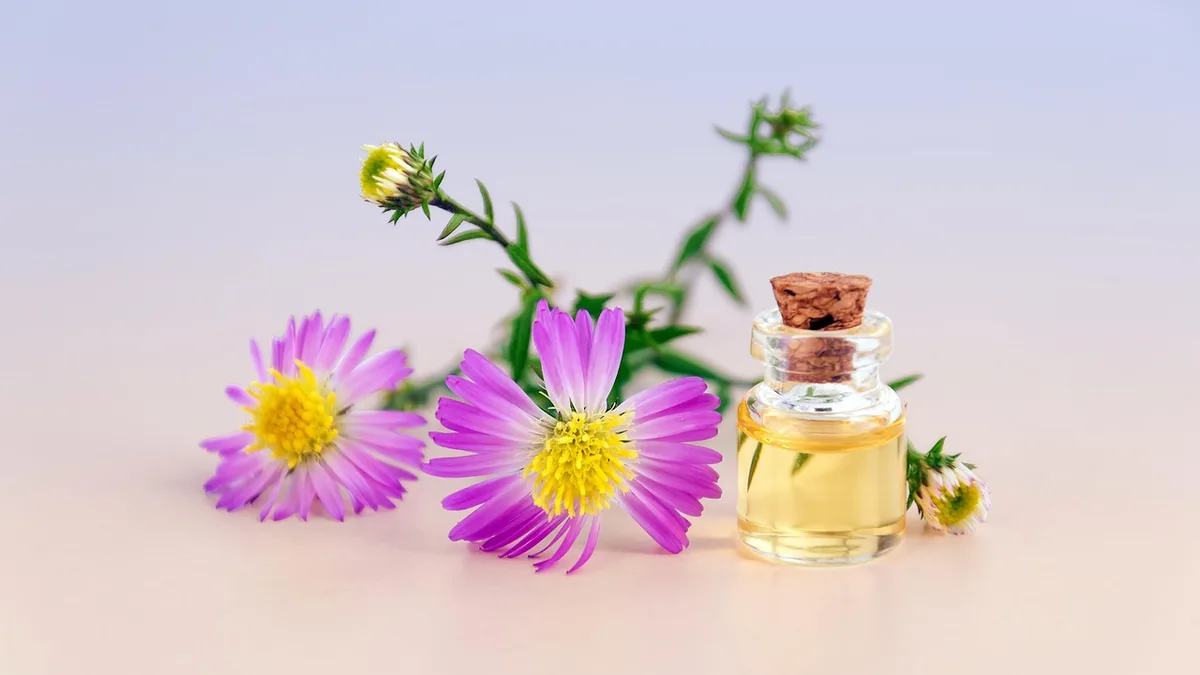
Body Hygiene and Skincare: Dermatological Routine Guide and EU Regulatory Compliance
Body hygiene and skincare form the foundation of daily cleansing and wellness. Purifying the skin gently, preserving its hydrolipidic barrier, and delivering vital hydration are the cornerstone gestures of a healthy routine. However, formulating and marketing an extensive body care range (shower gels, cleansing oils, body milks, exfoliants) in Europe involves rigorous regulatory compliance. Repeated daily contact over broad cutaneous surface areas requires detailed safety validation under Regolamento (CE) N. 1223/2009. Here is our complete regulatory guide.
💡 Launching a body hygiene or skincare line? Ensure full regulatory compliance for your catalog. Estimate your costs in 2 minutes with our configurator.
The Core Pillars of a Body Hygiene and Skincare Routine
A balanced body hygiene routine combines complementary gestures that protect the epidermal barrier:
- Cleansing (Hygiene): Removing sweat, sebum, and environmental dirt using gentle surfactants. To protect dry skin, lipid-replenishing shower creams and shower oils are favored. Formulations should maintain a skin-friendly pH (around 5.5).
- Exfoliation (Body Scrubs): Removing accumulated dead skin cells 1 to 2 times weekly. Exfoliants formulated with natural abrasives (sugar, sea salt, silica) polish the skin and enhance microcirculation.
- Hydration & Nutrition (Care): Daily application of a fluid body milk for rapid absorption, or an intensive body balm for dehydrated zones (elbows, knees, heels).
Regulatory clearance requires compiling a comprehensive PIF cosmetici. For baseline requirements on body formulations, consult our guide on the body care & hygiene PIF.
🔬 Insights from our Valutatore della Sicurezza Cosmetica
"Cumulative daily exposure for body cosmetics is substantial. The SCCS calculates that an adult applies on average 7.82 grams of body lotion per day across a cutaneous surface area of 15,600 cm². This extensive exposure area increases the Systemic Exposure Dose (SED) of each ingredient compared to facial care. During CPSR (Cosmetic Product Safety Report) drafting, the Valutatore della Sicurezza calculates the Margin of Safety (MoS) with heightened rigor, strictly capping allowable concentrations for certain active substances and preservatives."
Regulatory Steps to Ensure Compliance for Body Care Lines
To market your body hygiene and care range legally in France, Switzerland, or the wider European Union, follow these mandatory steps:
- Thermal Stability and Packaging Compatibility: Accelerated aging tests at 40°C over 8 to 12 weeks to confirm that lotions and rich balms do not phase-separate or discolor.
- Microbiological Challenge Testing: Compulsory under ISO 11930 for all aqueous formulations (shower gels, body lotions, body creams).
- Cosmetic Product Safety Report (CPSR (Cosmetic Product Safety Report)): Toxicological evaluation and formal sign-off by our qualified Valutatore della Sicurezza under Article 10(2).
- CPNP Registration: Mandatory electronic notification of every finished cosmetic shade on the European Cosmetic Products Notification Portal prior to distribution.
Our team delivers complete regulatory compliance packages. Find out more about our packages and transparent pricing on our PIF services page.
⚠️ 3 Frequent Compliance Pitfalls in Body Care Formulations
- Exceeding Fragrance Allergen Thresholds: Perfume allergens in leave-on body lotions must be declared in the INCI list the moment they exceed 0.001% (a strict threshold requiring precise supplier documentation).
- Using Prohibited Plastic Microbeads: Solid synthetic polymer microbeads have been banned across the EU in rinse-off cosmetics under Commission Regulation (EU) 2023/2055. Only natural abrasives are permitted.
- Making Prohibited Medical Claims on Eczema: Stating that a body lotion or shower oil "cures eczema" or "treats atopic dermatitis" breaches EU claims regulations. Restrict wording to cosmetic functions ("deeply nourishes", "soothes dry skin sensations").
Regulatory Cross-Linking Across Product Categories
If your brand also formulates adjacent body care or pediatric solutions, explore our related guides:
- For traditional baby care formulations, review our guide on baby oleo-calcareous liniment PIF.
- For standard moisturizing emulsions, see our guide on body cream regulation.
- For pediatric formulations, explore our guide on children's body cream safety.
Frequently Asked Questions on Body Hygiene and Skincare
- Is cold-process soap (CP soap) suitable for full-body washing?
- Cold-process soap is a natural, biodegradable body cleanser, but its alkaline pH (typically 8.5 to 10) can temporarily strip the hydrolipidic film on very dry or eczema-prone skin. For fragile skin types, formulators often offer superfatted soaps (with 8-10% unsaponified oils) or physiological pH syndets.
- Can I write "99% natural origin" on my shower gel label?
- Yes, provided you substantiate the calculation scientifically. Formulators must determine naturality indices according to ISO 16128 guidelines, which define criteria for natural ingredients, derived natural ingredients, and mineral constituents. The calculation breakdown must be archived in the PIF.
- How do you substantiate the claim "dermatologically tested" for body care?
- The claim "dermatologically tested" requires conducting a clinical human patch test under the supervision of a board-certified dermatologist on a panel of healthy volunteers. The clinical study report confirming the absence of primary cutaneous irritation is included in Part B of the PIF.
Configurez votre projet en direct
Calculez le tarif de votre DIP Cosmétique
Définissez votre profil, votre type de formule et vos besoins en tests de laboratoire pour obtenir une estimation instantanée et transparente.