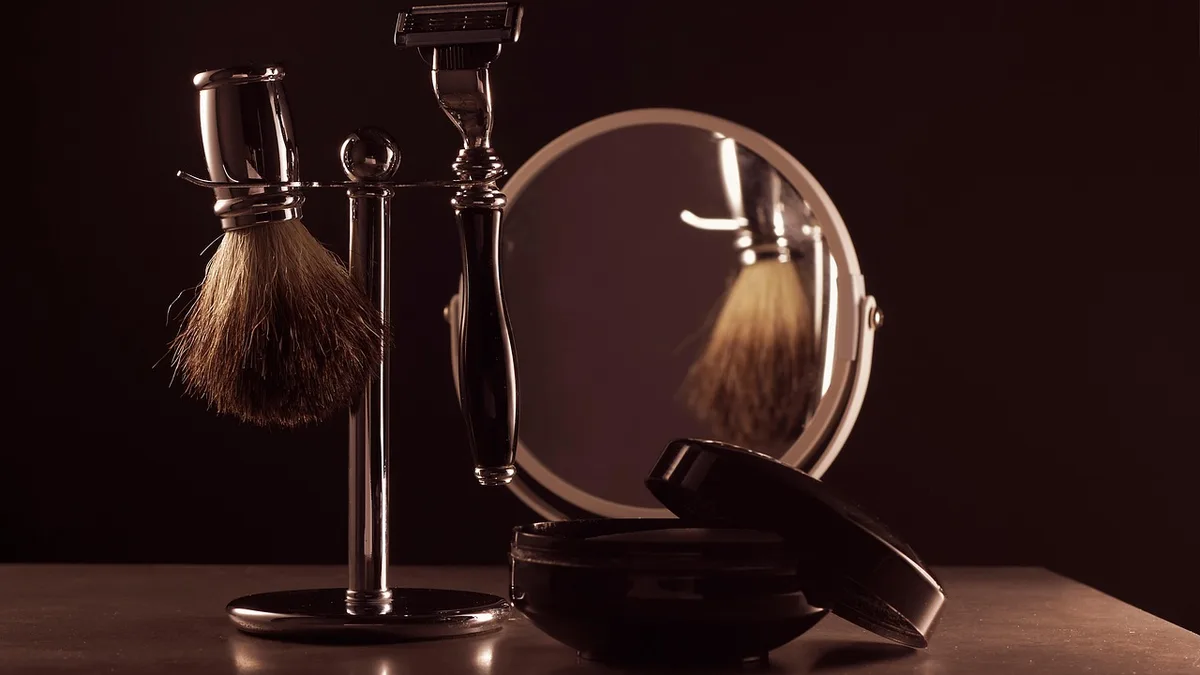
Shaving Foam & Shaving Gels: Formulation Chemistry, Aerosol Rules & European PIF Regulation
Shaving foam (and clear shaving gel) is a flagship product across men's grooming and personal hygiene, engineered specifically to soften coarse facial or body hair and shield the delicate skin barrier against razor micro-abrasions. Formulated with fatty acid soaps (maintaining an alkaline pH) and lipid-replenishing emollients, shaving foam is most commonly packaged in pressurized aerosol cans. Commercializing a shaving foam in Europe requires complying with European Cosmetic Regolamento (CE) N. 1223/2009 as well as the Aerosol Dispensers Directive 75/324/EEC. Here is our complete regulatory guide.
💡 Formulating a shaving foam, brushless shaving cream, or barber grooming treatment? Ensure flawless regulatory compliance for your formulas. Estimate your compliance fees in 2 minutes with our configurator.
The Chemistry of Shaving Foam: Alkaline Soaps and Liquefied Propellants
Pressurized shaving foams combine a concentrated soap concentrate with a liquefied propellant gas blend:
- Alkaline fatty acid soaps: Potassium stearate, potassium palmitate, or triethanolamine (TEA) soaps. These alkaline soaps hydrate and swell hair keratin, lowering cutting resistance and enhancing razor glide. Formula pH is moderately alkaline, typically between 8.5 and 9.5.
- Superfatting and skin-calming agents: Vegetable glycerin, cold-pressed plant oils (sweet almond, coconut oil), or shea butter to replenish the skin barrier, alongside allantoin, bisabolol, or aloe vera to calm razor burn.
- Propellant gas systems (for aerosols): Liquefied hydrocarbon propellants (isobutane, butane, propane) that emulsify within the soap concentrate inside the canister and expand spontaneously into rich foam upon actuation.
The PIF compiles all formulation data, pressure packaging certifications, and stability findings. To understand broader grooming and personal care standards, esplora le nostre guide on makeup PIF cosmetici and our cornerstone guide on the PIF cosmetici.
🔬 Insights from our Valutatore della Sicurezza Cosmetica
"Because shaving foam is applied to skin subjected to mechanical razor abrasion (which creates microscopic fissures in the epidermal stratum corneum), primary skin irritation must be evaluated with extreme rigor. Raw materials like triethanolamine (TEA) can contain trace carcinogenic nitrosamine impurities; safety assessors require Certificates of Analysis (CoA) confirming secondary amine limits below 0.5% and nitrosamine limits below 50 ppb. Furthermore, although alkaline pH naturally restricts certain microbes, ISO 11930 microbiological challenge testing on the liquid soap concentrate prior to aerosol gassing is compulsory."
Mandatory Compliance Milestones to Legally Market Shaving Foam
To sell your shaving foam legally in France, the European Union, and the UK, complete these regulatory milestones:
- Accelerated Stability and Canister Corrosion Testing: 8 to 12 weeks of accelerated testing at 40°C to verify that the alkaline formula does not degrade the internal protective lacquer of the aluminum can (preventing pinhole corrosion and gas leaks) and that the valve does not clog.
- Microbiological Challenge Testing (ISO 11930): Compulsory preservation screening on the liquid bulk.
- Cosmetic Product Safety Report (CPSR (Cosmetic Product Safety Report)): Toxicological risk modeling and formal Part B signature by our qualified valutatore della sicurezza, including detailed allergen audits.
- European Notifica CPNP: Mandatory electronic notification on the portal prior to commercial launch.
Our specialists deliver turnkey regulatory solutions. Explore our transparent packages in our PIF services guide.
⚠️ 3 Frequent Regulatory Deficiencies in Shaving Products
- Internal corrosion of aluminum aerosol cans: Inadequate internal protective coatings exposed to alkaline triethanolamine soaps can lead to rapid can perforation and catastrophic propellant leakage.
- Omitting propellant gases from the INCI ingredient list: Propellants like butane, isobutane, and propane are legal cosmetic ingredients and must be declared on the official packaging INCI list.
- Prohibited medicinal claims regarding razor burn: Marketing a shaving foam as a clinical treatment for pseudofolliculitis barbae (chronic ingrown hair inflammation) reclassifies it as a pharmaceutical. Stick to compliant cosmetic claims ("soothes the sensation of razor burn", "enhances blade glide").

Semantic Regulatory Architecture Across Your Hair Removal Portfolio
If your product catalog includes alternative hair removal or specialized shaving treatments, explore our related technical guides:
- For chemical depilatories, read our guide on depilatory cream regulation.
- For salon and at-home depilatory waxes, check our guide on hair removal wax PIF.
- For broader hair management, consult our guide on shaving care PIF.
Frequently Asked Questions About Shaving Foam Regulation
- Is flammability testing mandatory for aerosol shaving foams?
- Yes. Pressurized aerosol shaving foams utilize flammable hydrocarbon propellants (butane, propane). Under the European Aerosol Dispensers Directive 75/324/EEC, manufacturers must perform ignition distance tests and enclosed space ignition tests, and display the mandatory CLP flammable flame pictogram and aerosol warning statements on packaging.
- Can brushless shaving gels be formulated at physiological skin pH (5.5)?
- Yes. Clear, non-aerosol shaving gels use neutral gelling polymers (such as carbomer, xanthan gum, or sclerotium gum) and mild amphoteric surfactants buffered to pH 5.5. These formulas are often preferred for sensitive skin because they avoid the potential irritancy of strongly alkaline soaps.
- How do you substantiate a "dermatologically tested" claim on shaving foam?
- This claim requires conducting a standardized human repeat insult patch test (HRIPT) or semi-occlusive patch test under the clinical supervision of a qualified dermatologist on healthy human volunteers. The clinical study report demonstrating zero primary skin irritation must be incorporated into Part 4 of the PIF.

Configurez votre projet en direct
Calculez le tarif de votre DIP Cosmétique
Définissez votre profil, votre type de formule et vos besoins en tests de laboratoire pour obtenir une estimation instantanée et transparente.