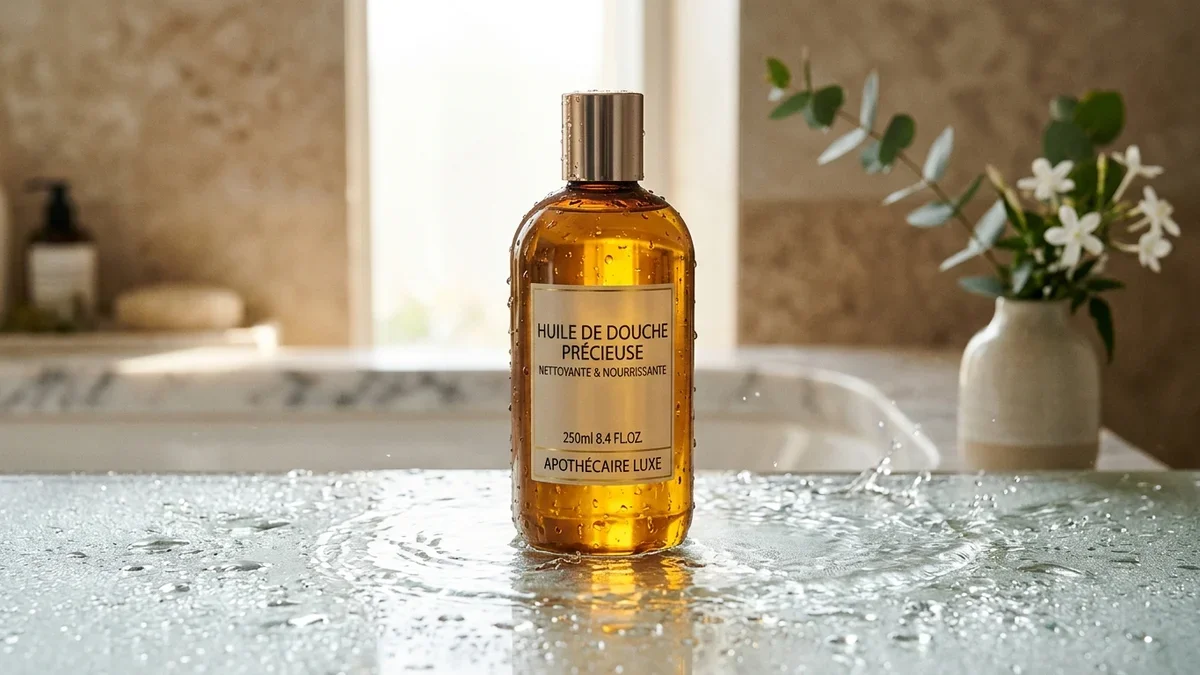
Gentle Liquid Shampoo: Formulation Chemistry, Safety & European Regulatory Requirements
Liquid shampoo remains the most widely purchased hair hygiene format globally. Whether designing a gentle daily-use cleanser, a targeted anti-dandruff formulation, or a protective treatment for color-treated hair, successful product development hinges on surfactant chemistry and dermatological compatibility. Bringing a liquid shampoo to the mercato europeo requires establishing robust microbiological preservation and demonstrating ocular and skin tolerance under Regolamento (CE) N. 1223/2009. Here is our comprehensive regulatory guide to formulating, testing, and clearing your liquid shampoo for commercial launch.
💡 Formulating a gentle daily liquid shampoo or specialized scalp treatment? Ensure flawless regulatory compliance for your formulas. Estimate your compliance budget in 2 minutes with our configurator.
The Chemistry of Shampoos: Surfactant Architecture and Formulation Balance
The core functional objective of shampoo is removing accumulated sebum, environmental pollution, and styling product residue from hair and scalp. This cleansing action relies on surfactants featuring a polar hydrophilic head and a non-polar lipophilic tail.
Well-balanced modern liquid shampoos blend multiple surfactant classes to ensure thorough detergency without triggering cutaneous irritation:
- Primary anionic surfactants: Such as gentle sulfate-free alternatives (Sodium Lauroyl Methyl Isethionate - SLMI, Sodium Cocoyl Glutamate, Sodium Methyl Cocoyl Taurate) or traditional Sodium Laureth Sulfate (SLES). They generate flash foam and primary cleansing power.
- Amphoteric secondary co-surfactants: Cocamidopropyl Betaine or Sodium Cocoamphoacetate. They mitigate the irritancy of primary anionics, stabilize bubble structure, and enhance viscosity.
- Non-ionic co-surfactants: Coco Glucoside or Lauryl Glucoside. Biodegradable, ultra-mild, and naturally derived, they soften the overall surfactant blend.
- Viscosity modifiers and rheology agents: Natural electrolytes (sodium chloride), bio-fermented xanthan gum, or plant-based cellulose thickeners to deliver a luxurious liquid gel texture.
Validating these aqueous formulations requires compiling a complete PIF cosmetici. For a thorough understanding of hair category standards, explore our guide on the hair care PIF.
🔬 Insights from our Valutatore della Sicurezza Cosmetica
"Liquid shampoos typically contain 70% to 85% free water. When stored in humid, warm bathroom environments, this high water content makes mandatory ISO 11930 challenge testing indispensable to confirm the efficacy of your preservative system. Moreover, during consumer hair washing, shampoo lather inevitably contacts the delicate eye contour and ocular mucosa. Evaluating ocular tolerance via validated in vitro assays (such as HET-CAM or BCOP) is an essential prerequisite to guarantee consumer safety and secure Part B sign-off."
Mandatory Regulatory Steps to Commercialize Liquid Shampoo in Europe
To market your liquid hair cleansers legally in France, across the EU, and in the UK, complete these regulatory milestones:
- Accelerated Stability and Packaging Compatibility Testing: 8 to 12 weeks of incubation at 40°C to verify that formula viscosity remains stable, no emulsion separation occurs, and pH is maintained between 4.5 and 5.5.
- Microbiological Challenge Testing (ISO 11930): 28-day laboratory antimicrobial efficacy screening proving resistance to contamination.
- Cosmetic Product Safety Report (CPSR (Cosmetic Product Safety Report)): Complete toxicological assessment and formal signature of Part B by our qualified valutatore della sicurezza, including detailed allergen calculation.
- European Notifica CPNP: Mandatory electronic filing on the European Commission portal prior to commercial launch.
We offer complete end-to-end regulatory support. Explore our transparent pricing and package details in our dedicated PIF services overview.
⚠️ 3 Frequent Regulatory Pitfalls in Liquid Shampoo Brands
- Using banned or heavily restricted preservatives: Methylisothiazolinone (MIT) is strictly banned in all European cosmetics (Annex V). Phenoxyethanol is restricted to a maximum of 1.0%. Preservative systems must strictly adhere to the latest European Annex updates.
- Omitting or miscalculating the PAO or Minimum Durability Date: Aqueous formulas deteriorate over time. Stability testing must formally establish the Period After Opening (PAO, e.g., 12M) or Minimum Durability Date required on packaging.
- Making prohibited medical or pharmaceutical claims: Claiming that a shampoo "treats scalp psoriasis", "cures seborrheic dermatitis", or "reverses alopecia" violates Regulation (EU) No 655/2013 on cosmetic claims. Stick to compliant cosmetic claims ("gently cleanses", "soothes dry scalp", "fortifies hair fiber").
Semantic Regulatory Architecture Across Your Hair Care Portfolio
If your hair care catalog includes alternative cleansing formulations or complementary styling products, read our associated guides:
- For natural handcrafted shampoos, read our guide on homemade shampoo PIF.
- For artisan DIY recipes and batching methods, consult our guide on natural shampoo formulation and PIF.
- For eco-friendly solid cleanser bars, check our guide on solid shampoo regulation.
Frequently Asked Questions About Liquid Shampoo Regulation
- Is packaging compatibility testing required for plastic bottles and dispensing pumps?
- Yes. Liquid shampoos are typically packaged in HDPE, PET, or rPET bottles fitted with flip-top caps or dispensing pumps. During accelerated stability testing (8 to 12 weeks at 40°C), testing laboratories verify that the surfactant base does not cause container paneling or stress cracking, and that internal metal springs within pump mechanisms do not corrode.
- Can sulfates be utilized in certified natural and organic shampoos?
- Sulfates such as Sodium Lauryl Sulfate (SLS) and Sodium Laureth Sulfate (SLES) are legally permitted in conventional cosmetics under European law. However, they are strictly prohibited under organic certification standards like Cosmos Organic due to their synthetic ethoxylation and high aquatic ecotoxicity. Certified organic formulations must utilize Cosmos-approved glucosides or acyl glutamates.
- How do you substantiate an "anti-dandruff" claim on a cosmetic shampoo?
- Under European claims guidelines, an "anti-dandruff" claim requires objective clinical substantiation. While Zinc Pyrithione is now strictly banned across the EU under Omnibus CMR legislation, approved cosmetic actives like Piroctone Olamine or Climbazole can be used. Their efficacy must be documented in Part 4 of the PIF through independent dermatological usage studies or instrumental scalp desquamation measurements.
Configurez votre projet en direct
Calculez le tarif de votre DIP Cosmétique
Définissez votre profil, votre type de formule et vos besoins en tests de laboratoire pour obtenir une estimation instantanée et transparente.