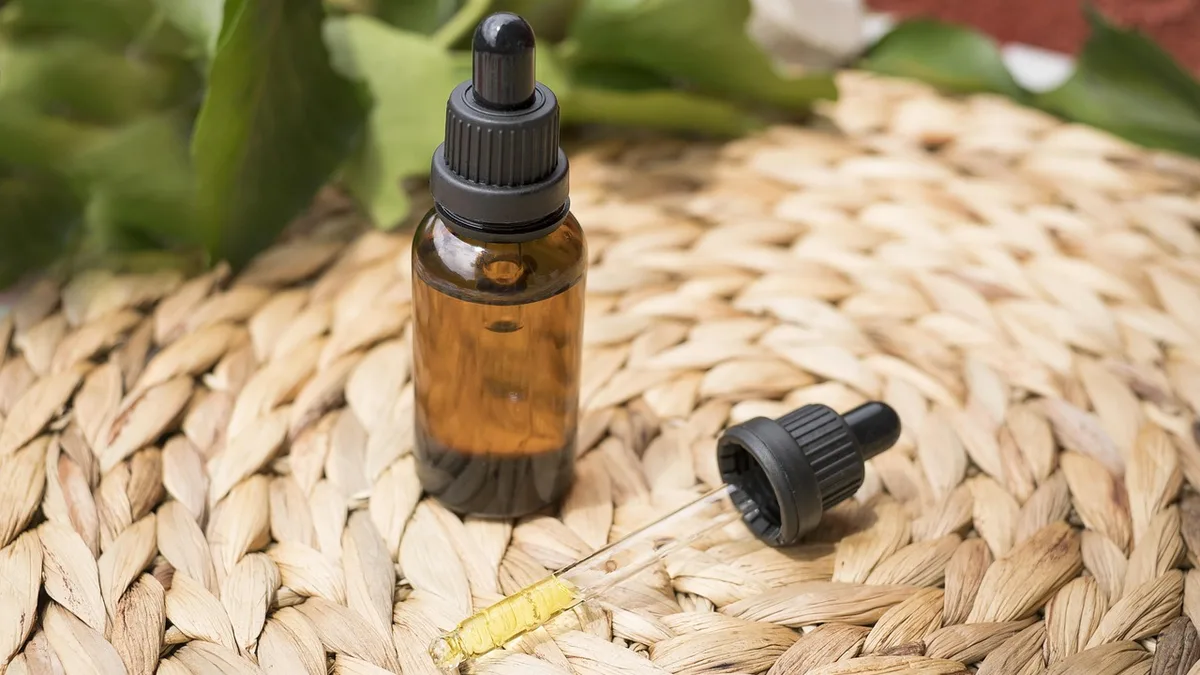
Facial Serums: Formulation Guide, Concentrated Actives & European Regulatory Requirements
Facial serums represent the most technical, targeted, and concentrated segment of modern skincare routines. Formulated to address specific dermatological concerns-such as hyperpigmentation, fine lines, deep dehydration, and blemish-prone skin-serums feature ultra-lightweight, fast-absorbing textures designed to optimize dermal delivery. However, high concentrations of potent active substances (vitamin C, hyaluronic acid, AHA/BHA chemical exfoliants, niacinamide, and retinol) trigger heightened toxicological scrutiny in Europe. Here is your comprehensive guide to formulating, testing, and legally launching your facial serum range under Regolamento (CE) N. 1223/2009.
💡 Developing an aqueous, anhydrous, or lipid face serum? Guarantee complete regulatory compliance for your concentrated formulas. Estimate your compliance costs in 2 minutes with our configurator.
Facial Serum Galenic Categories and Their Regulatory Testing Requirements
The galenic architecture of your facial serum dictates the exact laboratory testing and toxicological modeling required by our valutatore della sicurezza for the Cosmetic Product Safety Report (CPSR (Cosmetic Product Safety Report)):
- Aqueous gel serums: Lightweight hydrophilic solutions thickened with hyaluronic acid or bio-fermented polysaccharides (xanthan gum, sclerotium gum). Formulated as primary delivery systems for water-soluble actives (vitamin C, niacinamide, panthenol). Because of high free water content, an ISO 11930 microbiological challenge test (ISO 11930) is strictly mandatory.
- Anhydrous oil serums: Water-free blends of precious botanical oils (rosehip seed, argan, squalane) and lipid-soluble vitamins (tocopherol, ascorbyl tetraisopalmitate). Containing zero free water, they are classified as low-risk formulations under ISO 29621 and are exempt from microbiological challenge testing. Accelerated stability testing and rancidity/peroxide monitoring remain mandatory.
- Emulsified fluid serums: Micro-emulsions or milky serums combining water and lipids. They require both an ISO 11930 challenge test (ISO 11930) and accelerated 40°C thermal stability testing to guarantee that the emulsion does not coalesce or separate over time.
Every facial serum requires a complete regulatory file. For facial category standards, consult our guide on the face care PIF and our cornerstone guide on the PIF cosmetici.
🔬 Insights from our Valutatore della Sicurezza Cosmetica
"Facial serums present elevated concentrations of active bio-molecules. During Systemic Exposure Dose (SED) and Margin of Safety (MoS) modeling for the CPSR (Cosmetic Product Safety Report), we meticulously scrutinize skin absorption and cutaneous tolerance. For example, European regulations strictly cap pure retinol (vitamin A) concentrations at 0.3% in leave-on facial products. Similarly, salicylic acid formulations are legally restricted to a maximum of 2.0% in leave-on skincare and require specific packaging warning notices. Ensuring strict adherence to EU Annex limits protects your brand from severe regulatory enforcement."
Mandatory Regulatory Steps to Commercialize Your Face Serum
To market your facial serums legally in France, the EU, and the UK, you must successfully navigate these regulatory milestones:
- Accelerated Stability and Packaging Compatibility Testing: 8 to 12 weeks of accelerated testing at 40°C to verify that the formula maintains color, odor, and viscosity in its final glass or plastic dropper bottle.
- Microbiological Challenge Testing (ISO 11930): Mandatory for all water-containing aqueous and emulsified serums.
- Cosmetic Product Safety Report (CPSR (Cosmetic Product Safety Report)): Comprehensive toxicological review and formal signature of Part B by our certified valutatore della sicurezza.
- Portale CPNP Notification: Compulsory electronic notification of the finished cosmetic product before placing goods on the market.
Our specialists provide turnkey regulatory management. Explore our transparent pricing and package structures in our dedicated PIF services guide.
⚠️ 3 Frequent Regulatory Deficiencies in Facial Serum Products
- Missing purity specifications for concentrated active powders: Sourcing active raw materials (pure ascorbic acid, sodium hyaluronate) without comprehensive Certificates of Analysis (CoA) demonstrating low residual heavy metals and solvent traces halts CPSR (Cosmetic Product Safety Report) approval. Review our guide on cosmetic ingredients for detailed documentation requirements.
- Vitamin C photo-oxidation and color drift: Pure L-ascorbic acid oxidizes rapidly in aqueous solutions, causing formulas to turn yellow or brown. You must demonstrate photostability or package the serum in amber or opaque airless containers to ensure compliance.
- Prohibited medicinal anti-wrinkle claims: Marketing a lifting serum as an "alternative to botulinum toxin injections" or claiming "permanent wrinkle removal" without clinical trial substantiation breaches Regulation (EU) No 655/2013. Stick to compliant cosmetic claims ("smooths skin appearance", "visibly diminishes the look of fine lines"). For broader facial routines, esplora le nostre guide on facial hygiene and care regulation and eye contour regulation.
Semantic Regulatory Architecture Across Your Facial Skincare Portfolio
If your cosmetics line includes complementary serums, moisturizers, or localized treatments, review our linked technical guides:
- For delicate peri-orbital skincare, read our guide on eye contour regulation.
- For blemish-prone formulations, consult our guide on blemish-prone skin care claims and PIF.
- For everyday facial care routines, explore our guide on facial hygiene and care regulation.
Frequently Asked Questions About Facial Serum Regulation
- Is container compatibility testing required for dropper pipettes and elastomer bulbs?
- Yes. Facial serums are frequently packaged in glass bottles with precision dropper pipettes featuring rubber or elastomer bulbs. During accelerated stability testing (8 to 12 weeks at 40°C), laboratories verify that active oils or solvents do not degrade the bulb elastomer (causing swelling, stickiness, or brittleness) and that the dropper mechanism maintains an airtight seal.
- Can pure retinol be used in certified organic facial serums?
- Synthetic pure retinol is permitted in conventional cosmetics (capped at 0.3% leave-on face in the EU), but is excluded under organic certifications like Cosmos Organic. Organic brands achieve anti-aging efficacy by substituting retinol with botanical alternatives such as bakuchiol (INCI: Bakuchiol), which is fully compatible with organic standards.
- How do you substantiate skin tolerance for high-potency AHA exfoliating serums?
- Serums containing concentrated alpha-hydroxy acids (glycolic or lactic acid) with peeling properties must undergo formal human patch testing under dermatological control to substantiate primary non-irritancy. Furthermore, because AHA acids increase sun sensitivity, the European label must include mandatory sun protection advisory warnings.

Configurez votre projet en direct
Calculez le tarif de votre DIP Cosmétique
Définissez votre profil, votre type de formule et vos besoins en tests de laboratoire pour obtenir une estimation instantanée et transparente.